- Home
- Research
- Clinical Trials
Choose a condition to see what trials are open for enrollment
Wet Age-Related Macular Degeneration Clinical Trials
ACHIEVE Clinical Trial
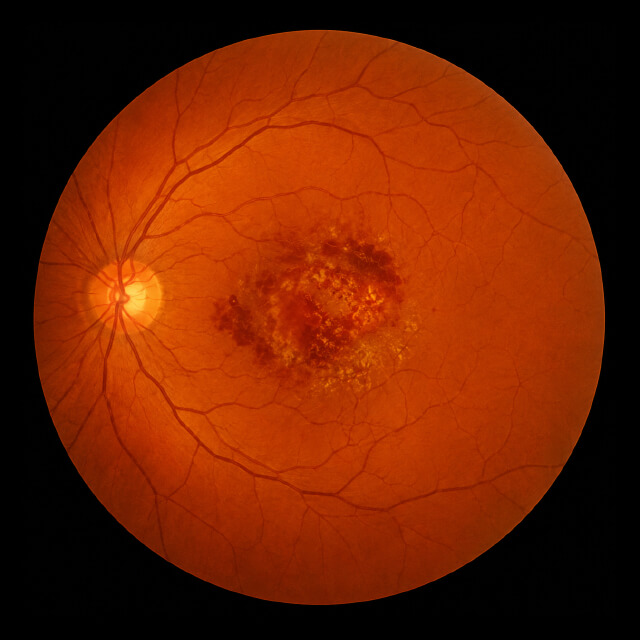
ACHIEVE is a research study evaluating a new treatment approach for people with wet age-related macular degeneration (AMD), also called neovascular AMD (nAMD). This condition happens when abnormal blood vessels grow under the retina and leak fluid or blood, which can damage vision over time.
Why This Study Is Being Done
Current treatments for wet AMD often require frequent eye injections to help control disease progression. While these treatments can be very effective, the travel burden and cost of each treatment can be difficult for many patients. The ACHIEVE study is testing whether a new treatment strategy may help control abnormal blood vessel growth, maintain or improve vision and ideally reduce how often patients need injections- making treatment easier and more sustainable for patients.
Who May Be a Good Candidate
You may qualify for the ACHIEVE Clinical Trial if you:
- Have been clinically diagnosed with wet age-related macular degeneration and have choroidal neovascularization (CNV), which means abnormal blood vessels are growing under the retina
- Are currently receiving or may need treatment with anti-VEGF eye injections
- Meet certain vision and eye health requirements determined by the study doctor (also listed below)
Inclusion Criteria
- Diagnosis: Choroidal neovascularization (CNV) secondary to neovascular age-related macular degeneration (nAMD)
- Age: 50 or Older
- BCVA in Study Eye: ~ 20/32 – 20/160
- BCVA in Fellow Eye: ~ 20/200
- Pseudophakic (at least 12 weeks post cataract surgery)
- CNV lesion size needs to be less than 10-disc areas (typical disc area = 2.54 mm^2)
- Pre-treated wet-AMD: Must have received at least two intravitreal anti-VEGF injections in the past 6 months prior to starting the trial, and have been responsive to the treatment
Interested in Learning More?
If you or a loved one has been diagnosed with wet AMD, you may be eligible to participate. Speak with your CRA retina specialist at your next appointment to learn more about whether ACHIEVE or another clinical trial may be right for you.
Trial Overview
- Status: Enrolling
- Sponsor: ABBVIE
- Phase: 2b
- Condition: Wet Age-Related Macular Degeneration (wAMD)
- Duration: 5 years
- Location: Colorado Retina Associates, Lakewood, CO
Wet Age-Related Macular Degeneration Clinical Trial: AMGEN 20250115
Sponsor: Amgen Inc.
Colorado Retina Associates is participating in a clinical study evaluating a treatment for wet age-related macular degeneration (wAMD), a condition where abnormal blood vessels grow in the retina and can cause vision loss.
This study compares two treatments:
- The study medication called ABP 938 (similar to the commonly used drug, Eylea®)
- Eylea HD®, the standard, FDA-approved treatment used in our clinic today to treat AMD
👉 Both medications work by blocking a protein called VEGF, which helps reduce fluid and abnormal blood vessel growth in the eye.
What to expect
- Treatment is given as recurring eye injections in a Colorado Retina clinic, every 4 weeks
- You will receive one of the two treatments (assigned randomly): the study drug- ABP 938 or Eylea HD® (standard of care). Regardless you will receive treatment to manage your AMD
- Initial injections are given once a month for 3-4 months, then you will be evaluated after to see if you continue to meet study criteria and require additional monthly injections.
- Total study duration is 3-6 months
- Your vision and eye health will be closely monitored throughout
You may be eligible if you:
- Are 50 years or older
- Have been recently diagnosed with wet AMD
- Study Eye BCVA: 20/32 – 20/320 andin the Fellow Eye BCVA: Better than counting fingers. Ii.e., your vision in the affected eye must be within a certain range to ensure the study includes patients who can still benefit from treatment
Active, treatment-naïve subfoveal CNV due to wet AMD - AMD is untreated (no prior injections in the study eye)
- Subfoveal choroidal neovascularization (CNV) due to wet AMD. Meaning, the abnormal blood vessels are located in the center of the retina
- Have active fluid or swelling in the retina
You may not be eligible if you have:
- Significant scarring or damage in the center of the retina
- Prior major eye surgery or retinal detachment in the study eye
- Other vascular retinal conditions: diabetic retinopathy, diabetic macular edema, uveitis, etc.
- Certain uncontrolled medical conditions, such as, high blood pressure (160/95 or higher), history of heart attack or cardiac disease, cancer, stroke, kidney disease
Why consider participating?
- Access to a treatment similar to a leading therapy
- Free treatment, with potential stipends
- Close monitoring and holistic care by your expert CRA retina specialists
- Help advance future treatment options for wet AMD
Key Takeaway: This is a short-term (3 to 6-month), head-to-head study comparing two similar treatments for newly diagnosed wet AMD to confirm they work equally well and safely.
Trial Overview
- Sponsor: AMGEN Inc.
- Condition: Wet Age-Related Macular Degeneration (wAMD)
- Duration: 3-6 months
- Location: Colorado Retina Associates, Lakewood, CO
Wet Age-Related Macular Degeneration Clinical Trial: KALARIS
KALARIS is a Phase 1b/2 clinical trial enrolling patients at Colorado Retina, studying TH103 in people with treatment-naïve neovascular (wet) age-related macular degeneration (nAMD).
Trial Overview
- Condition: Treatment-naïve wet AMD (nAMD)
- Phase: 1b/2 clinical trial
- Investigational drug: TH103 is an anti-VEGF agent designed to strongly bind to heparan sulfate and VEGF
- Goal: The long-term goal is potentially longer-lasting disease control and fewer injections than conventional anti-VEGF therapy. The study is seeking to determine the appropriate dose, safety, effectiveness, and how long the investigational treatment may control wet AMD.
- Part 1a: ~6.5 months
- Part 1b: ~9 months
How this is different from standard treatment
Standard care: Anti-VEGF eye injections are typically given repeatedly, often every 4–8 weeks initially and then adjusted based on response.
Study approach: TH103 is designed to block VEGF while also binding to heparan sulfate, which may help the medication remain in the eye longer.
Part 1a: Patients receive a single dose or dose-specific treatment depending on the study group.
Part 1b: Patients receive monthly TH103 injections, for four months, then followed for up to 6 additional monthsEligibility Criteria
- Have treatment-naïve wet AMD (have not previously received anti-VEGF treatment in the eye)
- Abnormal blood vessels must involve the center of the retina (fovea)
- Evidence of leakage on fluorescein angiography (FA)
- Evidence of retinal fluid on OCT
- Minimum central retinal thickness of 325 µm
- Lesion size ≤ 22.5 mm²
- Vision approximately 20/32 to 20/200 in the study eye
- Fellow eye vision must be 20/200 or better
Exclusion Criteria
- Fellow eye has history of diabetic retinopathy, uncontrolled glaucoma, or uveitis
- Significant permanent damage to the fovea that would limit potential vision improvement
- Significant foveal scarring, atrophy, hemorrhage, hard exudates, or damage
- Retinal Pigment Epithelium (RPE) detachment or tear
- Peripapillary choroidal neovascularization
- Other macular disease affecting vision or causing retinal fluid, including central serous retinopathy (CSR)
- History of idiopathic polypoidal choroidal vasculopathy (IPCV)
- History of uveitis
- Prior ocular steroid treatment
Washout Requirements
- Part 1A: Treatment experienced patients must have been diagnosed within the previous 6-months
- Wash out of any investigational drug within 90-days of screening
Treatment & Study Commitment
- Regular retinal exams, imaging, visual acuity, angiography, and other study assessments performed
- Treatment is delivered through an intravitreal eye injection
- Regular follow-up visits for approximately 6–9 months
Key Patient Benefits
- Access to an investigational treatment that may provide longer-lasting control of wet AMD
- Potential to reduce the future burden of frequent anti-VEGF injections if TH103 proves durable
- Complimentary study-related examinations, imaging, and close health and vision monitoring by CRA retina specialists
- $100 stipend per completed visit
- Transportation assistance or mileage reimbursement
Key Clinical Insight for Providers
- Mechanism: TH103 is an anti-VEGF agent engineered with strong heparan sulfate/VEGF interface binding characteristics, intended to enhance intraocular retention.
- Concept: VEGF blockade + stronger retention in the eye → potentially longer duration of effect.
- The trial focuses on treatment-naïve nAMD with active fluid/leakage and sufficient retinal structure to allow potential visual improvement.
- Early Phase 1a data showed encouraging reductions in retinal fluid and improvements in vision, but these are early-stage findings and do not establish superiority over approved anti-VEGF agents.
- A key question for KLRS-100 is whether TH103 can provide durable disease control with a lower treatment burden.
Trial Overview
- Sponsor: Kalaris Therapeutics, Inc.
- Phase: 1b/2
- Condition: Naïve Wet Age-Related Macular Degeneration (wAMD)
- Design: Multiple-ascending-dose (MAD), dose-finding study
Initial portion: Open-label
Later cohort-expansion portion: Randomized and masked - Duration: ~6-9 months
- Location: Colorado Retina Associates, Lakewood, CO
Enrolling Geographic Atrophy Clinical Trials
GALLOP Clinical Trial
Sponsor: Apellis Pharmaceuticals
A Phase II Study for Patients with Geographic Atrophy (GA) due to Age-Related Macular Degeneration (AMD)
About the Study
This study is testing APL-3007, an investigational medication designed to slow the growth of GA lesions and help protect retinal cells. It works by lowering a protein in the immune system that contributes to inflammation and retinal damage.
APL-3007 is given as a subcutaneous (under-the-skin) injection and is studied in combination with Syfovre®, an FDA-approved anti-VEGF ocular injection for GA. Researchers want to see if using both drugs in combination can better slow vision loss and possibly allow for less frequent dosing.
The study lasts ~18 months and participants are randomly assigned to receive either APL-3007 or placebo, along with Syfovre. Regardless, patients will always receive the standard of care.
Study Design
- Phase 2 Trial- Designed to evaluate the safety, tolerability, and effectiveness of APL-3007 when used in combination with Syfovre® for geographic atrophy (GA).
- Randomized- Participants are randomly assigned to one of the treatment groups to reduce bias and ensure fair comparison.
- Placebo-Controlled- One group receives a placebo (saline) injection instead of APL-3007, allowing researchers to determine whether APL-3007 provides benefit beyond standard treatment. Placebo participants will still receive the standard of care ocular injection treatment, Syfovre.
- Combination Therapy- All participants receive Syfovre® intravitreal injections, while also receiving either APL-3007 or placebo as subcutaneous (under-the-skin) injections
Eligible participants:
You may be eligible if you:
- Are 60 years of age or older
- Have been clinically diagnosed with geographic atrophy due to AMD
- Have no GA directly under the center of vision (non-subfoveal GA)
- Have reasonably good vision in the study eye (about 20/100 or better)
- Have GA lesion size within a specific range of ≥2.5 mm2 and ≤17.5 mm2
- Have GA lesions located near but not involving the fovea
- Show certain imaging features that indicate active GA: Non-subfoveal lesion with border of GA lesion not encroaching on the center of the fovea.
- Are willing to receive required vaccinations (meningitis, pneumonia, flu B)
Ineligible participants:
- Current or past wet AMD- Choroidal Neovascularization (CNV) in the study eye
- Currently receiving ocular injections in the study eye, with the exception of Syfovre.
- Laser treatment to the macula in the study eye.
- A history of cancer that has not been successfully treated for at least 1 year
- Recent participation in another clinical trial.
Why Refer or Participate?
- Access to a new treatment, not yet available to the public, designed to slow geographic atrophy, and vision loss. The combination of APL-3007 with Syfovre aims to slow the growth of GA lesions more effectively than current treatment alone, which may help preserve vision longer.
- Reduction in treatment burden, allowing for patients to go longer intervals between injections.
- Patients receive regular, comprehensive eye exams, advanced imaging and testing, and close follow-up from our expert retina specialists throughout the 18-month trial.
- By participating, patients help advance research that may lead to better treatment options for others with GA in the future.
- Participants receive study medications, exams, and testing at no cost. No insurance required.
- Complimentary travel support to and from your home to our office for appointments.
- $100 stipend provided for each completed study visit.
Referral Support
Referring providers can contact our clinical research directly for eligibility screening or to discuss specific patient cases. We provide detailed documentation and shared follow-up for all enrolled patients.
To refer a patient or learn more, call or text 303-261-1600.
Trial Overview
- Sponsor: Apellis Pharaceuticals
- Condition: Geographic Atrophy (GA) due to Age-Related Macular Degeneration (AMD)
- Study Drug: APL-3007 (subcutaneous + intravitreal)
- Goal: To evaluate whether oral BI 1584862 can slow or stop GA progression
- Study Duration: ~18 months
- Location: Colorado Retina Associates, Lakewood, CO
SIENNA Clinical Trial
Now Enrolling Patients with Geographic Atrophy (GA)
Sponsor: Regeneron Pharmaceuticals
Phase: 3 | Study Type: Double-masked, randomized
About the Study
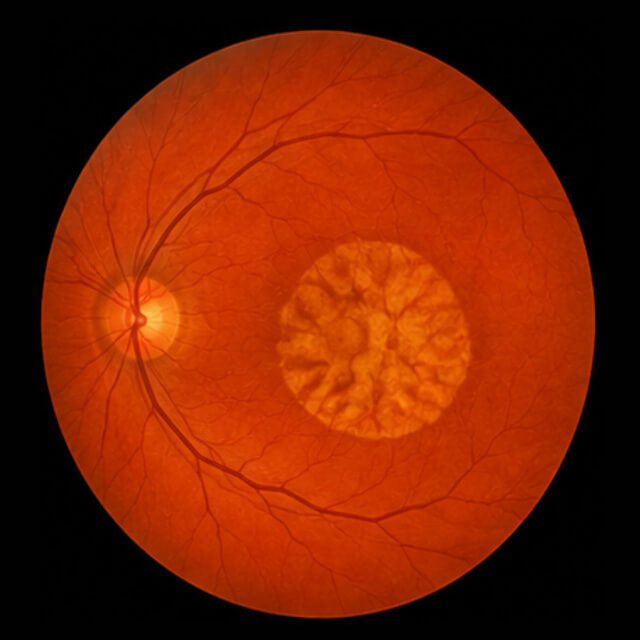
The SIENNA trial is a Phase 3 clinical research study evaluating two investigational medications—cemdisiran and pozelimab—for the treatment of Geographic Atrophy (GA), an advanced and irreversible form of dry age-related macular degeneration (AMD).
This study aims to determine whether cemdisiran, either on its own or in combination with pozelimab, can slow the progression of GA compared to a placebo. Both drugs are designed to modulate the complement system, which plays a critical role in the development of GA.
How the Study Works
Participants are randomly assigned to one of three groups:
- Cemdisiran + Pozelimab (subcutaneous injection every 4 weeks)
- Cemdisiran alone (subcutaneous injection every 4 weeks)
- Placebo (subcutaneous injection every 4 weeks)
The total study duration includes a 14-week screening period and long-term follow-up visits.
Why Participate?
- Access to cutting-edge treatment options targeting the root cause of GA progression
- Close monitoring and comprehensive retinal imaging by retina specialists
- Help contribute to the future of treatment for patients living with dry AMD
- Transportation assistance and visit compensation provided
Inclusion criteria:
- Age: 55 years or older
- Study eye with diagnosis of GA of the macula secondary to AMD not involving the foveal center point
- Total GA area in the study eye measuring between ≥2.5 mm2 and ≤17.5 mm2
- BCVA SE 20/200 or better
- Hemoglobin A1C ≤ 8.0% during screening
- Must have meningococcal/pneumococcal vaccination requirements as described in the protocol
Exclusion criteria:
- GA in either eye due to causes other than AMD such as Stargardt disease, cone rod dystrophy or toxic maculopathies like hydroxychloroquine maculopathy
- History or current evidence of macular neovascularization and/or exudation in either eye as described in the protocol
- Prior or current Intravitreal (IVT) treatment of any kind for any indication in study eye or fellow eye, except approved or investigational IVT complement inhibitor therapy as long as last dose was ≥6 months prior to randomization
- Comorbid progressive ocular condition (eg, diabetic retinopathy, macular edema, uncontrolled glaucoma, full thickness macular hole) in study eye that could affect central vision and confound study
- History or current use of systemic complement inhibitor therapy within 6 months prior to randomization as described in the protocol
- History of solid organ or bone marrow transplantation
- Use of chronic (>14 days) systemic corticosteroids (oral or parenteral, ≥20 mg oral prednisone or equivalent) within the previous 30 days prior to the first screening visit as described in the protocol
- Current or prior use of systemic immunosuppressive therapy other than corticosteroids or the likelihood of treatment with any such agent during the study inclusive of the screening period
More Information
View the full study on ClinicalTrials.gov
Trial Overview
- Sponsor: Regeneron Pharmaceuticals
- Condition: Geographic Atrophy (GA) secondary to age-related macular degeneration (AMD)
- Type: Phase 3, Double-masked
- Drugs: Cemdisiran (alone or with Pozelimab) vs. Placebo (all via subcutaneous injection)
- Goal: Evaluate if cemdisiran (alone or combined with pozelimab) slows GA progression vs. placebo
- Duration: 14-week screening + long-term follow-up (~2 years total)
- Location: Colorado Retina Associates, Lakewood, CO
- ClinicalTrials.gov ID: NCT06541704
REVEAL Clinical Trial
Real-World Evaluation of Izervay® (Avacincaptad Pegol) in Geographic Atrophy
The REVEAL Study is a long-term, non-interventional clinical research study observing how Izervay®, an FDA-approved treatment for Geographic Atrophy (GA) due to age-related macular degeneration (AMD), is used in routine clinical practice. This trial aims to monitor real-world treatment patterns, safety, and disease progression across a diverse patient population. Note, no injections or medications are provided by the study or sponsor. Patients are treated at their Colorado Retina provider’s discretion.
Why Participate?
REVEAL will help researchers and ophthalmologists better understand how patients respond to Izervay outside the controlled setting of clinical trials, ultimately contributing to improvements in care delivery and outcomes.
Visit Frequency
Aligned with the patient’s already established care plan and routine clinical visits
Patient Compensation:
$25 for the initial screening visit, then $15 for all subsequent follow-up visits.
Eligibility Criteria
- Diagnosis of Geographic Atrophy secondary to AMD in 1 or both eyes
- Being treated with or planning to initiate treatment with Izervay®
Exclusion Criteria
- Have any contraindication or are not eligible for treatment with ACP, including the following:
- Active ocular or peri-ocular infection either eye
- Active, suspected intraocular inflammation in either eye at enrollment/baseline visit
- Hypersensitive to ACP or to any ingredient in the formulation
- Currently participating in an investigational program with interventions outside of routine clinical practice
- Have received ACP in the study eye.
- Patients who have received any IVT complement inhibitor other than ACP in either eye in the past 90 days.
Learn More
Full study details available at ClinicalTrials.gov
Trial Overview
- Sponsor: Astellas Pharmaceuticals
- Condition: Geographic Atrophy (GA) secondary to Age-Related Macular Degeneration (AMD)
- Study Drug (Observed Use): Avacincaptad Pegol (ACP / Izervay®)
- End Goal: Evaluate real-world treatment patterns, safety, and disease progression in routine clinical settings
- Duration: 3–5 years
- Study Type: Non-interventional / Observational (no study drug provided)
- Location: Colorado Retina Associates, Lakewood, CO
- Trial ID: NCT06779773
REGENERON-R3917-AMD-2501 (VIENNA) - Geographic Atrophy (GA) Clinical Trial
Sponsor: Regeneron Pharmaceuticals
Colorado Retina Associates is participating in the VIENNA clinical research study evaluating Pozelimab, an investigational treatment for patients with geographic atrophy (GA) due to dry age-related macular degeneration (AMD).
This is an early-phase study evaluating whether pozelimab, given by an injection into the eye, is safe and well tolerated and how it affects geographic atrophy. Our researchers are seeking to determine how long the drug remains in the eye, what dose is appropriate, how often it might need to be given, and whether it has biological effects on GA.
Pozelimab works differently from treatments for wet AMD. It blocks C5, part of the body's complement system, which researchers believe may contribute to damage and progression in geographic atrophy.
The study includes:
- Part A: Single-dose testing of different doses of pozelimab
- Part B: Repeated doses in a double-masked study
- Regular eye examinations and monitoring throughout the study
What to Expect & Commitment
- ~21-day screening period
- Intravitreal injection of pozelimab
- Part A: ~8 weeks of participation
- Part B: ~16 weeks of participation
- Regular vision testing, eye examinations, and retinal imaging
You may be eligible if you:
- Are 50 years or older
- Have geographic atrophy
- Have a total GA area of at least 2.5 mm²
- Have vision of approximately 20/63 or worse in the study eye
- Do not have current or previous wet AMD/macular neovascularization
- Have not received prior intravitreal treatment for another eye condition, with limited exceptions for prior complement-inhibitor treatment for GA
You may not be eligible if you:
- Have geographic atrophy caused by something other than dry AMD
- Have current or previous wet AMD or retinal leakage
- Have significant diabetic retinopathy, eye inflammation/infection, or eye pressure above 25 mmHg
- Have used systemic complement-inhibitor therapy
Compensation for enrolled patients:
- $100 for each completed visit
- Complimentary transportation to and from visits, or mileage reimbursement
Interested or referring a patient?
Patients and providers can text or call our team at 303-261-1600 to learn more or confirm eligibility. We provide coordinated care and follow-up for all participants.
Trial Overview
- Sponsor: Regeneron Pharmaceuticals
- Condition: Geographic Atrophy
- Study Drug: Pozelimab (injection)
- Goal: To evaluate the efficacy and safety of Pozelimab
- Study Commitment: 8-16 weeks
- Location: Colorado Retina Associates, Lakewood, CO
Enrolling Diabetic Macular Edema (DME) Clinical Trial
THULITE Clinical Trial
Sponsor: Boehringer Ingelheim
Phase 2 | Randomized, Double-Masked, Placebo-Controlled | Evaluating the efficacy, safety, and tolerability of BI 1815368
Colorado Retina Associates is enrolling patients in the Thulite (BI-1485-0018) Phase 2 clinical trial, studying a new oral therapy (BI 1815368) for center-involved diabetic macular edema (CI-DME).
Unlike current treatments that require frequent eye injections, this oral medication can be taken at home, potentially lowering the treatment burden while addressing both eyes at once by targeting the root cause of fluid leakage in the macula.
Study Purpose
The goal of the Thulite trial is to determine whether BI 1815368:
- Improves vision and reduces retinal swelling in patients with CI-DME
- Offers a systemic treatment option that can address both eyes at once
- Reduces the long-term treatment burden compared to repeated injections
- Provides a disease-modifying effect by targeting abnormal blood vessel permeability
Why This Study is Different
- Oral Administration: Taken at home, avoiding repeated intravitreal injections
- Bilateral Benefit: Systemic therapy may treat both eyes and help prevent progression in the unaffected eye
- Reduced Burden: Fewer office visits compared to current standard of care
- Targeting the Root Cause: Designed to reduce leakage from abnormal retinal blood vessels, addressing disease at its source
Eligibility
To qualify, participants must meet key requirements, including:
- Age: 18 years or older
- Diagnosis: Center-involved diabetic macular edema (CI-DME), Type 1 or 2 Diabetes
- BCVA in Study Eye: 20/32 to 20/320
- BCVA in Fellow Eye: vision must be better than hand motion
- HbA1c <12% treated with stable diabetes medication for at least 30 days prior to starting the clinical trial
- Central Retina Thickness (CST): ≥ 320um for male and ≥305um for women, measured on OCT
- Blood Pressure: Must be controlled, < 180 systolic and < 100 diastolic while sitting
Exclusion Criteria
Patients may not qualify if they:
- Have uncontrolled systemic disease or very high blood pressure
- Have a clinical diagnosis of Proliferative Diabetic Retinopathy (PDR)
- Have had any intravitreal injection anti-VEGF treatment within 4 months before day 1 of starting the trial
- Have had certain recent retinal surgeries or other retinal diseases
- Are unable to comply with study visits and follow-up
Ideal Patient Candidate
- Adults with CI-DME who may benefit from systemic, oral treatment
- Patients who struggle with or want to reduce the burden of frequent eye injections
- Patients interested in advancing future therapies for diabetic eye disease
Study Commitment
Participation lasts about 48 weeks, requiring 15–16 visits to our Colorado Retina Associates Lakewood office for monitoring, eye exams, and imaging. Each visit helps ensure safety while measuring how well the treatment is working.
Potential Benefits to Enrolled Patients
- Access to a novel therapy not yet available to the general population, outside of a clinical trial
- Comprehensive wellness assessments, and close monitoring of ocular health and diabetes. A VIP experience!
- Potential to improve vision and reduce swelling caused by DME
- Potentially helping advance future treatment options that may ease the burden of diabetic eye care for countless patients
Resources:
If you or someone you know has diabetic macular edema and is interested in learning more about the Thulite study, please contact our research team at Colorado Retina Associates for eligibility screening.
Trial Overview
- Condition: Diabetic Macular Edema (CI-DME)
- Drugs: BI 1815368 and Placebo
- Phase: 2
- Study Duration: 15–16 visits over 48 weeks
- Goal: Improves sight in people with CI-DME, while lessening treatment burden
- Location: Colorado Retina Associates, Lakewood, CO
- External ID: NCT06962839